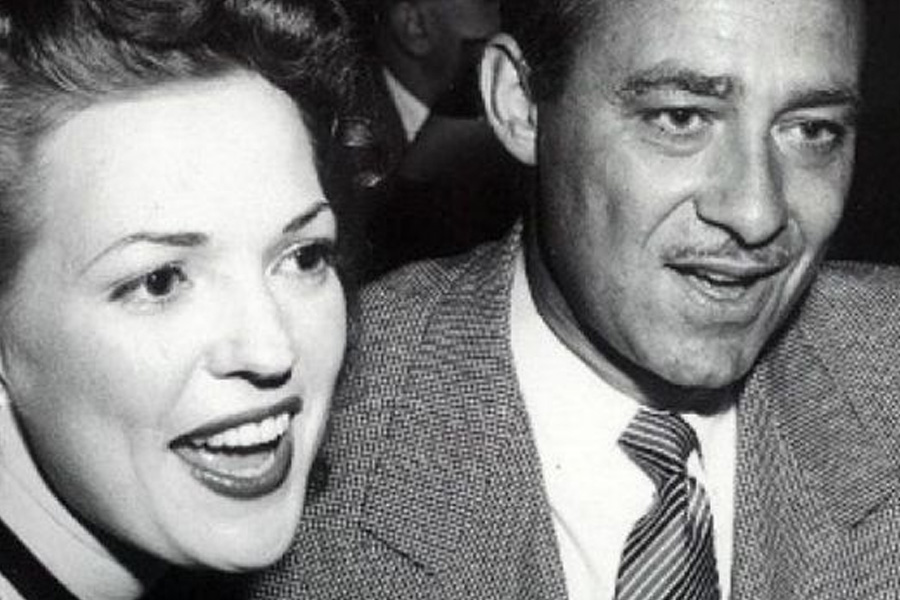
Basic Information
| Field | Details |
|---|---|
| Name | Max M Gilford |
| Birth | July 1, 1906, New York |
| Death | May 3, 1965 |
| Primary professions | Attorney, Bar Association leader |
| Noted public roles | President, Hollywood Bar Association; leader, West Hollywood Bar Association; Council of Bar Associations member |
| Spouse | Anne Gwynne (married 1945) |
| Children | Gloria Gwynne Gilford (born July 27, 1946), Gregory Gilford (born circa 1948) |
| Film credits attributed | Appearances or production listings dated in the 1950s, including titles from 1952 and 1959 |
Early life and family background
Max M Gilford arrived into the world on July 1, 1906, in New York, a city of crowded streets and quieter ambitions. He was born into a family whose surname appears in records with more than one variant; in some documents the name appears as Goldfarb while in others it appears as Gilford. That duality is a small ripple in a life that later anchored in Los Angeles and the Hollywood community.
Marriage reshaped his private map in 1945 when he wed actress Anne Gwynne, a known screen presence of the 1930s and 1940s. The union produced two children, a daughter born July 27, 1946, who would later pursue performance and therapy, and a son born around 1948 whose records appear under variant middle names in public listings. The family stitches together law, stage, and later generations who continued in performance.
Legal career and leadership in the Los Angeles legal community
Max M Gilford built his public profile in the courtroom and in association halls. He served as a leading figure within the Hollywood Bar Association and held leadership roles in the West Hollywood Bar Association and the Council of Bar Associations. Those appointments placed him in the company of peers who navigated legal questions touching entertainment, municipal concerns, and community standards.
The measure of his influence is in titles and tenure. A presidency or chairmanship in the mid 20th century legal world required both professional respect and administrative skill. He exercised that authority during a period when Los Angeles was expanding and when Hollywood was becoming a cultural engine with attendant legal complexities. He was at once advocate and organizer, a steady hand in settings that demanded both formal lawyering and civic stewardship.
Hollywood connections and credited screen work
Although his primary vocation was law, filmography listings attribute a small number of credits to Max M Gilford in the 1950s. These entries include titles from 1952 and 1959 and reflect a pattern seen elsewhere where individuals with legal ties to entertainment also appear as producers, consultants, or in cameo roles. The film entries are modest in scope when compared with a full career on screen, but they underscore a crossover between legal life and cinematic life that was common in mid century Los Angeles.
Think of it as a shoreline where two worlds meet: his legal identity provided the rocks and the film listings were small waves that lapped at the edge. The primary legacy, however, remained rooted in the bar associations and community leadership.
Family legacy and descendants
The Gilford household produced a line that continued to weave through American screen life. The daughter born July 27, 1946 pursued acting in the 1970s and 1980s and subsequently worked in therapy. She married an actor and became part of a family that produced a later generation of well known performers.
Among his grandchildren is a figure who became a prominent actor in contemporary film, creating a direct line from a 1906 birth to 21st century screens. The family therefore presents a cross generational arc from legal stewardship in the 1950s to screen visibility decades later. That arc reads like a thread pulled through time, visible at several knots.
Timeline of key dates
| Year | Event |
|---|---|
| 1906 | Birth on July 1 in New York |
| 1945 | Marriage to Anne Gwynne |
| 1946 | Daughter born on July 27 |
| circa 1948 | Son born |
| 1950s | Documented leadership in bar associations and film credits |
| 1965 | Death on May 3 |
Name variations and public record notes
Public materials show variant spellings and given names in genealogical indexes. In some family trees and records the surname appears as Goldfarb, in others as Gilford. Contemporary public references and memorial inscriptions use Gilford. The presence of variants is not uncommon for immigrants and for families who modified surnames in the early 20th century, and it is a reminder that archival snapshots can reflect different choices at different times.
Character and public image
In public life he was portrayed as a professional who bridged several communities: the legal world, the civic sphere, and the entertainment sector. He managed organizations, represented colleagues, and served in capacities that required diplomacy and procedural rigor. His private life intersected with a cinematic household, producing a domestic atmosphere where legal briefs and scripts could have shared the same kitchen table.
He was not a headline star, but he was a keystone figure in smaller arches: a leader among lawyers in a town of storytellers, an organizer in a community that prized both image and procedure.
The household at mid century
A house in the late 1940s or 1950s that combined an actress and an attorney would have been unusual but illustrative of Los Angeles life at the time. The daughter born in 1946 entered a world where the patterns of show business met the discipline of professional law practice. The son born around 1948 arrived into the same blend of accents and professional aims.
FAQ
Who was Max M Gilford?
Max M Gilford was an attorney born July 1, 1906 who became a leader in Los Angeles bar associations and maintained ties to the Hollywood community.
When did he marry Anne Gwynne?
He married Anne Gwynne in 1945.
Who were his children?
His children were Gloria Gwynne Gilford, born July 27, 1946, and a son born around 1948 often listed under the name Gregory or Greg.
What leadership roles did he hold?
He served as a president or chair in the Hollywood Bar Association and held leadership in the West Hollywood Bar Association and in council bodies.
Did he work in film?
Film databases attribute a small number of credits to him in the 1950s, typically modest entries such as cameo appearances or production listings.
When did he die?
He died on May 3, 1965.
Is the family name sometimes different in records?
Yes, some genealogical records show variants such as Goldfarb while other public records and memorials use Gilford.
Are there notable descendants?
Yes, his descendants include actors in later generations who continued the family presence in film and television.