Formative Years Forged in Fire
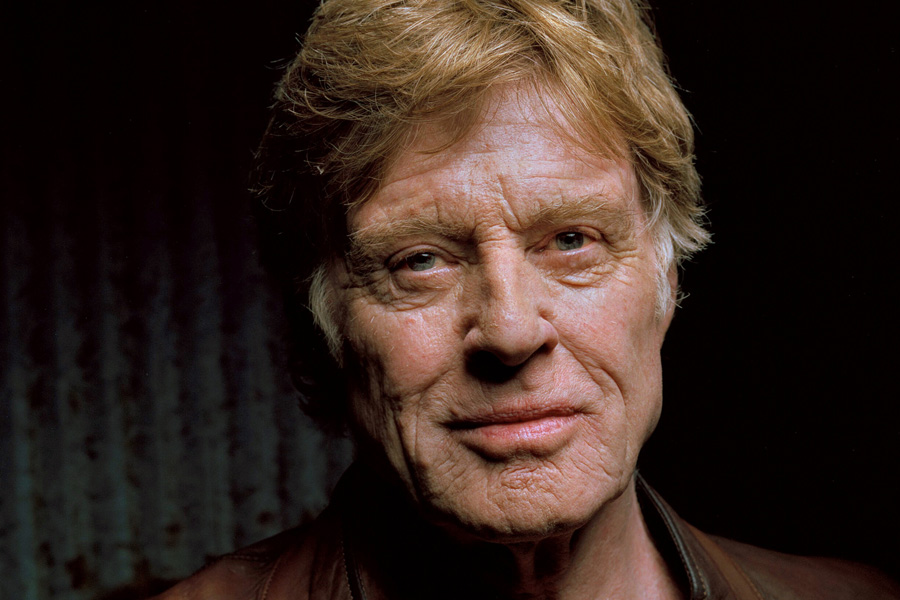
I often think of Robert Redford as a young rebel, sketching dreams amid California’s sun-drenched chaos. Born in Santa Monica, he faced polio at age 11, a silent thief that confined him to bed for weeks, yet it sharpened his resolve like a blade against stone. Sports became his outlet; he excelled in baseball, earning a scholarship to the University of Colorado. But academia bored him. Instead, he dove into mischief, leading a crew in petty thefts and break-ins, dodging consequences with that golden-boy charm. Summers at Yosemite National Park as a worker grounded him, where towering sequoias whispered secrets of endurance. He hitchhiked through Europe, living rough, absorbing cultures like a sponge. These escapades weren’t mere youthful folly. They built the man who would challenge Hollywood’s gloss.
His artistic spark ignited early. Drawing caricatures in high school hinted at deeper talents. In Paris, he immersed himself in bohemian life, painting streets alive with possibility. Back home, oil field work exposed him to environmental scars, oily rigs scarring the earth, fueling a lifelong fire against exploitation. I see it now: those gritty jobs weren’t detours but foundations, molding a star who refused to shine only on screen.
Revolutionizing the Silver Screen
Robert Redford didn’t just act; he redefined independence in film, a quiet storm reshaping an industry. His breakout in Butch Cassidy and the Sundance Kid masked reservations about roles like in The Way We Were, where he hesitated over the script’s romance. Yet he thrived, infusing characters with layered authenticity. Behind the camera, he mentored emerging voices, advising Ethan Hawke to ditch the cowboy hat during their collaboration, a nudge that echoed through Hawke’s career. Redford’s Sundance Institute became a sanctuary for risk-takers, launching directors who now helm blockbusters.
I recall how he subverted his image in films like The Candidate, critiquing fame’s hollow core. His production company backed stories studios shunned, like The Motorcycle Diaries, weaving social threads into entertainment. Redford’s influence rippled outward. He championed diversity, elevating filmmakers from marginalized backgrounds, turning Sundance into a beacon for untold tales. Without him, indie cinema might still linger in shadows, starved of spotlight. His retirement from acting in 2018 felt like a chapter closing, but his productions lingered, a testament to enduring vision.
Championing Earth’s Silent Battles
Robert Redford’s activism wasn’t a side note; it was his heartbeat, pounding against environmental neglect. His oil field days scarred him, witnessing land ravaged for profit, igniting campaigns that spanned decades. In the 1970s, he halted a coal plant on Utah’s Kaiparowits Plateau, rallying locals despite being labeled an outsider. That victory bloomed into broader fights: lobbying for the Clean Air and Clean Water Acts, safeguarding Alaska’s wilds through the National Interest Lands Conservation Act.
He co-founded The Redford Center in 2005 with his son James, channeling films to spotlight crises like biodiversity loss. Narrating documentaries such as Sacred Planet, he lent his voice to voiceless landscapes. Opposing the Keystone Pipeline, he led protests, his star power drawing crowds to causes. In 2010, he spearheaded Stop Pebble Mine, driving corporations from Alaska’s pristine waters. Even in op-eds, he criticized policies, urging shifts from fossil fuels. Redford’s legacy here is a forest he planted, roots deep in policy wins, branches shading future generations. I admire how he wove art and advocacy, using stories as weapons against apathy.
Intimate Strokes: Family and Inner Worlds
Robert Redford guarded his personal life like a hidden trail, yet glimpses reveal a man of profound depths. His mother’s death at 18 shattered him, a void that acting partially filled, offering escape from grief. Married to Lola Van Wagenen in 1958, they raised four children amid Hollywood’s glare, but tragedy struck again with son Scott’s infant death from SIDS. Son James battled cancer until 2020, a loss that echoed earlier pains. Daughter Shauna pursued painting, mirroring her father’s early passions, while Amy stepped into directing, premiering works at Sundance.
In later years, with wife Sibylle Szaggars since 2009, Redford retreated to Santa Fe, sketching more fervently post-retirement. Long walks through desert trails became meditations, feet tracing paths of introspection. He supported feminist causes quietly, once posing with Ms. magazine in his pocket. Hobbies like skiing and chess surfaced in cameos, like his 2025 role in Dark Winds, playing a detainee strategizing moves. Seven grandchildren carried his creative spark, some advocating for dyslexia or filmmaking. Redford’s family was his anchor, a private haven amid public storms.
Sundance’s Poignant Farewell in 2026
The 2026 Sundance Film Festival felt like a heartfelt elegy, marking its Park City swan song before moving to Boulder. Tributes to Robert Redford flowed, a river of gratitude from those he uplifted. Ethan Hawke shared a nervous first meeting, Redford’s advice lingering like a mentor’s touchstone. Ava DuVernay recalled his insistence on “Bob,” stripping away hierarchy. Woody Harrelson joked about their Indecent Proposal days, lightening the air. Patti LuPone’s surprise rendition of Forever Young brought tears, her voice a bridge to Redford’s spirit.
Legacy screenings revived classics like Downhill Racer and restored gems such as Little Miss Sunshine. New awards honored his vision: Chloe Zhao received the Trailblazer, Nia DaCosta the Vanguard, Ed Harris and Gyula Gazdag the inaugural Robert Redford Luminary. Daughter Amy called it a homecoming, nest not empire. Festival-goers reflected on his blueprint for indie film, a blueprint now etched in cultural stone. Even political nods surfaced, from Obama’s “foremost conservationist” praise to global homages. Sundance 2026 wasn’t just farewell; it was rebirth, Redford’s ethos alive in every frame.
FAQ
What lesser-known health challenge did Robert Redford face in childhood?
He contracted mild polio at age 11, which kept him bedridden for two weeks but fueled his determination in sports and life.
How did Robert Redford’s early jobs influence his environmental stance?
Working on oil fields in California exposed him to land degradation, sparking his advocacy against fossil fuels and for conservation.
What unique advice did Robert Redford give to Ethan Hawke?
During their first meeting, he told a nervous Hawke to stop wearing the cowboy hat, a moment that profoundly impacted the younger actor.
In what ways did Robert Redford support feminist causes?
He was a supporter of the magazine Ms., once appearing on a cover with it tucked in his back pocket as a subtle endorsement.
What was Robert Redford’s final on-screen appearance?
In March 2025, he made a cameo in the series Dark Winds, portraying a detainee playing chess alongside George R.R. Martin.
How has Sundance evolved since Robert Redford’s passing?
The 2026 festival, its last in Park City, introduced the Robert Redford Luminary Award and focused on tributes, before relocating to Boulder in 2027.
How Massachusetts Drivers Can Stay Ahead Of Vehicle Repossession
A Fresh Look At California Luxury Rehabilitation
The House That Keeps Its Cool And Locks Its Doors
Making Room For Real Life With An Essex Home Extension
How Smart Water Management Helps Concrete Outlast The Weather